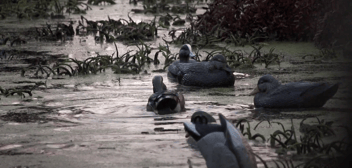
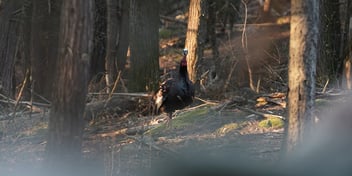
This duck scouting video proves a point about late season duck hunting that few waterfowl hunters ever think about: scout when ducks are feeding!
When the thermometer bottoms out and the north wind begins to bite, traditional waterfowl logic often goes out the window. Most hunters are conditioned to be in the marsh before the first light of dawn, believing that if they haven't seen birds by 9:00 AM, the day is a wash. However, veteran hunters and the experts at Just Hunt Club know a secret that changes the game entirely: late season duck scouting is often most effective during the middle of the day. As the season progresses and the weather turns brutal, mallards and black ducks prioritize caloric intake and energy conservation over their early-season routines.
The reality of late season duck hunting is that ducks feed later in the day to cope with the cold. When overnight temperatures drop well below freezing, birds often sit tight on big, open water or ice-free refuges during the morning to conserve body heat. They wait for the sun to reach its peak, softening the frozen ground in cornfields or melting the skim ice on the edges of the marsh. If you are only scouting new ground during the morning hours, you are likely looking at empty skies and dormant water, leading you to believe a productive area is a ghost town.
By adopting a mid-day scouting strategy, you are aligning your efforts with the actual flight patterns of pressured waterfowl. Between 11:00 AM and 2:00 PM, ducks that have been resting all morning will finally break for their primary feeding flight. This is the window where you can truly identify the "X." Scouting during the heat of the day allows you to see which fields are drawing birds and which flight paths they are using to get there. This low-impact observation ensures you aren't bumping birds off their roost in the dark, but rather watching them commit to a feeding location that you can then hunt the following day.
Successful late season waterfowling is about finding the specific grain field or spring-fed hole that provides the highest energy return for the birds. While other hunters are headed home for lunch, the Just Hunt Club approach involves burning gas and burning glass. Use your binoculars to scan harvested agricultural fields and hidden pockets of moving water during the afternoon. Look for those "tornadoes" of mallards dropping into a field; these birds are often more relaxed and vocal during these late-day feeds, making them easier to track.
Identifying these late-day feeding habits is the ultimate edge for public land duck hunters and those exploring new territory. It allows you to set up a decoy spread with confidence, knowing you are exactly where the birds want to be during their most active window. Remember, in the late season, the ducks aren't lazy—they are calculated. Your scouting should be too. Shift your clock, watch the mid-day skies, and you’ll find the honey hole that everyone else drove past at sunrise.
December duck hunting brings unique challenges and opportunities.
In this video, we head out for a late-season field hunt for mallards during a cold stretch with birds stacked up and feeding selectively. With frozen water, bluebird skies, and heavy concentrations of ducks, every decision matters from how we hide in the field to when we choose to shoot.
Throughout the hunt, we focus on staying disciplined, letting birds work naturally, and thinking long-term when large flocks are concentrated late in the season. Not every group of ducks needs to be shot at, and sometimes the best part of waterfowl hunting is watching birds commit and work the spread.
We also break down an important late-season scouting lesson: on cold days, ducks often feed during the warmest part of the day, not first light. Understanding when birds actually move can make a big difference when scouting and planning hunts this time of year.
Whether you’re hunting fields or water, this is a realistic look at late-season duck hunting decisions, bird behavior, and why patience matters when conditions tighten up.
Here's the 940 Pro Waterfowl that the team is using.

.png)