• Home
  • Journal
  • How to Care for an Aging Duck Hunting Dog

How to Care for an Aging Duck Hunting Dog

How to Care for an Aging Duck Hunting Dog

As our loyal gun dogs cross into their senior years, caring for an aging waterfowl retriever requires shifting our approach to honor their lifelong devotion while protecting their health. 


As our loyal gun dogs cross into their senior years, caring for an aging waterfowl retriever requires shifting our approach to honor their lifelong devotion while protecting their health. 

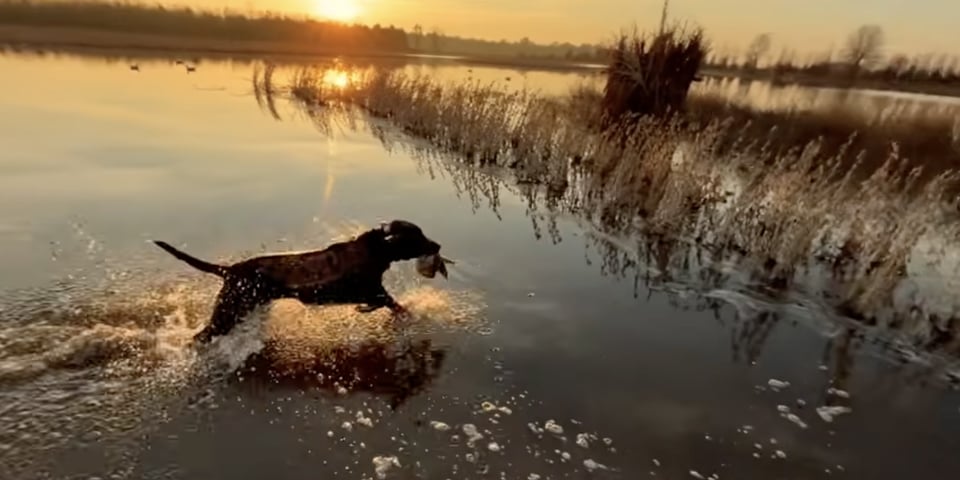
For Jason Cruise, host of Mossberg's Rugged American Hunter series, watching his female black Labrador retriever, Stella, approach old age has yielded invaluable field wisdom on maintaining a senior hunting dog’s quality of life. Keeping an aging duck hunting dog active, comfortable, and safe takes a intentional blend of veterinary care, proper nutrition, and environmental modifications.   

Here are proven truths and actionable tips for managing senior bird dog wellness during their golden years:   
 
NSAIDs for Dogs. Nothing has worked better than using Carprofen or other canine approved medications for pain. Especially in recovery after a duck hunt. 

Joint Care and Pain Management: Duck hunting dogs endure cold water, hard retrieves, and heavy mud, leading to canine arthritis and hip dysplasia over time. Incorporate vet-approved glucosamine, chondroitin, and omega-3 fatty acids into Stella’s routine to reduce joint inflammation.

Tailored Senior Dog Nutrition: Metabolism slows down with age, making weight management critical for reducing strain on fragile joints. Switch to a high-protein, calorie-controlled senior retriever food formula to preserve lean muscle without adding excess weight.   
 
Controlled Field Warm-ups and Cool-downs: As Jason Cruise emphasizes, older duck dogs still possess unyielding drive, but their bodies require extra care. Prevent injury during late-season waterfowl hunts by ensuring proper warm-up exercises before retrieves and wrapping Stella in a neoprene dog vest to insulate against icy water.

Mobility Modifications at Home and Transport: Repeatedly jumping into truck beds or blinds causes severe impact stress on aging bones. Utilize portable dog ramps for vehicle loading, lay non-slip mats over slick floors, and provide a supportive orthopedic dog bed for post-hunt recovery.

Routine Senior Vet Check-ups: Schedule bi-annual veterinary exams to monitor kidney function, cardiac health, and vision loss early. Regular blood work ensures underlying conditions are caught long before symptoms manifest.   
 
Mental Stimulation and Gentle Training: Keep Stella’s retriever instincts sharp with short, low-impact blind retrieves, light scent work, and gentle yard drills rather than grueling, long-distance water retrieves.

By balancing Stella's drive for duck hunting and goose hunting with protective, low-impact gun dog care, you can ensure your hard-working black lab remains healthy, happy, and by your side in the blind for years to come.

If you found this article useful, check out Aging Bird Dog? Blue Grouse Is The Perfect Retirement Hunt by Kirstie Pike.

About the Author

Jason Cruise

Jason Cruise is a published author and the host of Mossberg’s Rugged American Hunter series.
See all articles by this author